

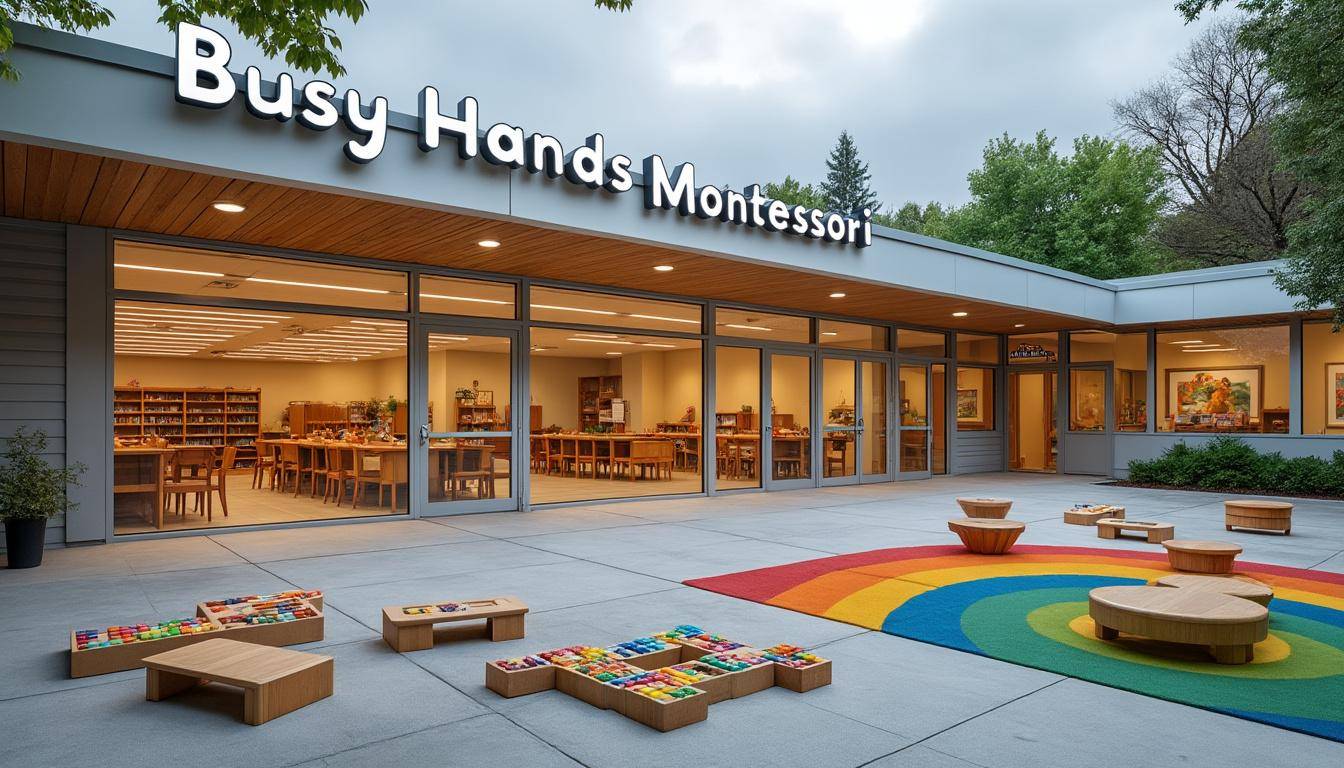
The sudden Busy Hands Montessori school closure in Portland left families, educators, and children facing hard questions about trust, finances, and stability in early education.
Busy Hands Montessori school closure in Portland
In March, Busy Hands Montessori in Portland, located in the Cedar Mill neighborhood, closed one day after a major staff walkout. The school had operated since 2016 and served more than 80 children across six classrooms, from infants to kindergarten age. Families received an email from founder Jessica Gowans on March 14 announcing the immediate closure.
Gowans described the event as a surprise and linked the decision to a sudden staff resignation that left the childcare center unable to operate safely. For parents who had trusted the school for years, the message arrived without warning and changed their daily lives overnight.
How the Busy Hands Montessori staff walkout unfolded
According to parents and staff, several teachers resigned on the same day. The next day, Busy Hands Montessori closed its doors. Families learned through conversations with teachers that the labor dispute centered on pay problems and missing retirement contributions. Some employees believed that money meant for their IRA accounts had been withheld over months or years.
Gowans later said the school had made “catch-up contributions” and was working to bring every account up to date. She emphasized her personal support for staff and said she believed direct discussion could have addressed issues before the employee strike-style walkout. Teachers either declined to speak publicly or stayed silent, which left parents comparing different versions of the story.
This rapid breakdown shows how fragile trust becomes when pay, benefits, and communication start to erode inside a small private school.
Financial fallout for families after the school closure
The school closure did not only disrupt learning. It also created sudden financial pressure. Some families had already paid tuition and enrollment fees for upcoming months. Parents estimated exposure between a few thousand dollars and more than $10,000, depending on the number of enrolled children and payment plans.
In her first message, Gowans told parents the school had no reserves available for immediate refunds. She mentioned ideas to repay families over time and said she wanted to honor tuition payments as much as possible. In a later email, she stated that all families would receive the tuition refunds owed and that repayments would start by the end of the week.
Practical steps for parents facing Montessori education disruption
Parents in Portland who lost their childcare center on short notice had to respond quickly. If you face a similar education disruption, focus on three areas at once: money, documents, and new placement.
- Request a full written breakdown of tuition paid, credits owed, and any promised refunds.
- Collect contracts, emails, bank statements, and screenshots that show your payment history.
- Ask the school to confirm, in writing, the timeline and method for tuition reimbursement.
- Contact your bank or credit card provider if future services were paid in advance.
- Reach out to nearby preschools and Montessori programs the same day to join waitlists.
- Coordinate with other parents to share information and advocate together.
Families who act early protect their finances and shorten the gap before a new learning environment is secured.
For a wider look at parent experiences with childcare instability across the country, you can read parent stories on this parent voices resource about child care.
Impact on children and families in Portland
The Busy Hands Montessori school closure hurt many children emotionally. Some students left on an ordinary day and never returned to say goodbye to teachers or friends. Parents described the center as a strong community they had built over years. Losing it felt like having the floor pulled out from under them.
One parent of a 5-year-old and a 2-year-old shared that her children seemed flexible in the short term but also sad and confused. They spent extra time at home while she searched for a new preschool. That meant juggling work, child care, emotions, and financial doubt all at once.
Supporting young children after a staff walkout and closure
When a staff walkout and staff resignation result in immediate closure, children sense stress even if they do not understand the details. You help them adjust when you keep routines simple and predictable.
Here are practical ways to support your child after such an education disruption:
- Explain in simple words that the old school closed and they will go to a new one later.
- Keep wake-up, meals, and bedtime on a familiar schedule to anchor their day.
- Arrange short playdates with former classmates if possible to keep social ties.
- Use pictures or a short visit to introduce the next preschool once chosen.
- Watch for changes in sleep, appetite, or behavior and discuss worries calmly.
Children adapt faster when adults around them offer calm, clear messages and steady daily rhythms.
For families exploring alternatives in early learning, you can review other structured early education models through resources like this overview of a different early education approach.
Montessori education, labor dispute, and school governance
The Busy Hands Montessori story connects to a wider national pattern. Across the United States, several Montessori and private preschools have faced labor disputes, union efforts, and sudden closures after conflict between owners and staff. In the Portland area, other Montessori centers have closed shortly after workers discussed unionizing.
Montessori education often relies on small, privately run schools that operate with thin financial margins. When funding is tight, benefits and retirement contributions sometimes receive less attention. If teachers then discover errors in pay, trust erodes quickly and tensions rise.
Why Montessori schools face unique staffing pressure
Montessori education expects teachers to receive specialized training and to guide children with a high level of observation and preparation. That training takes time and money, yet salaries in early childhood programs often stay modest. When a school like Busy Hands Montessori tries to balance tuition, staff pay, and facility costs, even small financial mistakes with benefits can trigger a crisis.
At the same time, interest in Montessori has fluctuated over the past decade, with pandemic disruptions and changing parent expectations. Some schools expanded fast during periods of high demand, then struggled as enrollment shifted or operating costs rose. This context makes it easier to understand why disputes over pay and retirement contributions appear in such settings.
For a broader analysis of Montessori trends and what they mean for families and educators, you can explore this discussion of Montessori schools and their future.
Lessons for parents choosing a childcare center
The closure of Busy Hands Montessori in Portland offers clear lessons for families evaluating any preschool or childcare center. Safety, warm relationships, and child development matter most, but school stability and governance also deserve attention.
Parents like Terra, the mother of two former Busy Hands students, trusted the school for years and felt deep loss when it closed. Her experience highlights the need to ask careful questions about finances and staff conditions before enrolling, not only after signs of trouble appear.
Key questions to ask before enrolling in Montessori education
When you visit a Montessori or any childcare center, you support your child’s long-term stability by asking concrete questions. This reduces the risk of being surprised by a sudden school closure or employee strike-style walkout.
- How long has the school operated and how often has leadership changed?
- What is the staff turnover rate in the past two years?
- How are teacher salaries and benefits structured?
- Does the school offer retirement contributions, and how are they managed?
- Is there a financial reserve or insurance plan to protect families if operations stop?
- How does the school communicate with parents about major internal changes?
- What is the written policy for tuition refunds in case of closure or long disruption?
Clear answers to these points give you a better picture of both the learning environment and the underlying stability of the program.
For parents who want to stay informed on wider education trends and risks that affect school decision-making, resources such as this overview of current education trends provide helpful context.