In Gaza, youth education is starting again after years of disruption and fear. Among ruins and tents, young people try to reignite their learning journey and rebuild a sense of normal life.
Gaza youth education journey: from ruins to renewal
The war left Gaza youth without regular school for almost two years. More than 97% of schools were damaged or destroyed, and many buildings turned into shelters instead of classrooms.
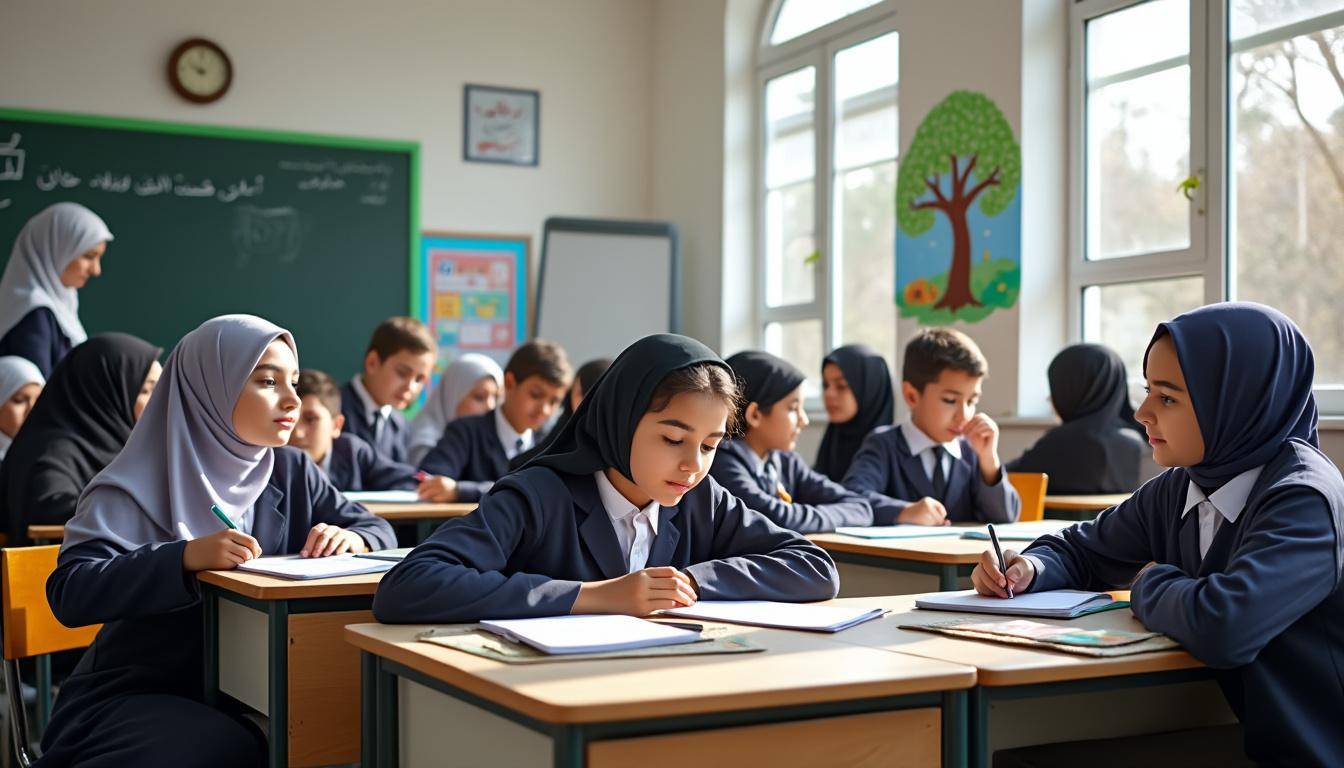
At the former Lulwa Abdel Wahab al-Qatami School in Gaza City, lessons now take place in tents set up among broken walls. Children sit on simple benches, facing boards with English letters and basic Arabic words. Noise, heat and dust fill the air, yet the focus stays on learning.
This fragile restart of education in Gaza follows a ceasefire that reduced large-scale attacks but did not end fear or poverty. Still, teachers see these first lessons as a new journey for children who lost time, safety and sometimes parents.
Disruption, loss and the need to reignite learning
For many students, the break in schooling started long before the latest war. Covid closures, previous escalations and long-term blockade affected attendance and quality. Some children lost three to four school years in total.
A mother from southern Rimal explains that her son reached early adolescence without reading fluently or copying from the board. Basic items such as notebooks, pens and rulers became rare and expensive. A notebook once worth one shekel rose to five, a huge burden for large families living without stable income.
This deep disruption of education harms more than grades. Long gaps in learning weaken confidence, increase anxiety and push youth toward hopelessness. Restarting school is not only about curriculum; it is about rebuilding a path forward.
Stories from Gaza echo research shared on topics like how to safeguard education access in crises, showing that long breaks often widen inequality and mental health risks for the youngest learners.
Reigniting learning in Gaza’s makeshift schools
Under the tents of Lulwa school, a temporary model of Gaza education tries to respond to urgent needs. About 1,100 boys and girls attend in three shifts per day, with separate days for boys and girls to manage space and safety.
Only 24 teachers run lessons without electricity, internet or standard equipment. They focus on four core subjects: Arabic, English, mathematics and science. Science labs, computer rooms and libraries that once supported deeper study no longer exist.
Teachers leading a fragile education journey
The principal, Dr Mohammed Saeed Schheiber, brings more than two decades of experience in schools. He describes the reopening as an attempt to compensate students for what they lost and to keep their education journey alive.
Teachers face large groups, limited materials and frequent emotional breakdowns from children who saw death, displacement and destruction. Many students in the school lost one or both parents or saw their homes collapse. Every learner experienced trauma directly or through close relatives.
To respond, a counselor offers psychological support sessions in small groups. Activities use play, drawing and simple games to help children express fear and sadness. Similar approaches appear in programs discussed in resources on children’s mental health in post-crisis regions, where structured play and safe discussion spaces reduce long-term harm.
Gaza youth resilience: stories of determination and hope
Behind every tent classroom stands a personal story. These stories show both the cost of war and the strength of Gaza youth resilience.
Naeem’s journey from grief to renewed learning
Naeem, 14, attended Lulwa school before it was destroyed. During one air strike, he lost his mother. For months he moved between shelters before returning to his damaged neighborhood when the ceasefire took effect.
For him, stepping into a tent classroom feels different from the former building with painted walls and equipped rooms, yet he insists that being back matters. The new school day includes fewer subjects, sparse materials and short shifts, but it fills his time with structure instead of wandering among ruins.
Naeem’s experience reflects how education supports resilience. Daily lessons anchor his grief and give him a future-oriented identity: student, friend, classmate. Without that role, loss would dominate his sense of self.
Rital’s education journey and future dreams
Rital, a ninth grader, dreams of becoming a dentist. Displacement removed her from school, separated her from close friends and left her without time or a quiet place to study. She missed months of coursework and exam preparation.
Returning to the tents, she knows that the current lessons cover only basics. Yet she continues for one reason: she wants to keep her dream alive. Even limited schooling protects her from complete academic collapse and prepares her for more advanced study if reconstruction efforts progress.
Her determination shows how hope and empowerment emerge when young people feel their goals are still possible. Education gives her language to describe her ambitions and the skills to pursue them, whether in Gaza or abroad.
Such personal goals align with global discussions on compensation and support in early and continuing education, where targeted help for learners who missed key years often prevents permanent dropout.
Barriers that still block Gaza’s youth education
Even as children return, major obstacles keep the education journey in Gaza fragile. These barriers affect both access and quality of learning.
Materials, cost and restricted aid
Families struggle to pay for minimal supplies. With high unemployment and destroyed businesses, a small list of school items turns into a heavy financial load. Parents choose which child receives a notebook or a pen when they cannot afford enough for all.
International agencies report difficulties bringing in basic education kits. Paper, pencils, erasers and learning games remain on waiting lists at border crossings. Mental health and recreational kits, which support healing through play, face similar delays.
These shortages show why global policies to safeguard access to education in emergencies stress the need for protected supply routes. Without simple materials, motivation falls and lessons turn into passive listening instead of active learning.
Overcrowded classrooms and limited spaces
The temporary school hosts more than a thousand students using only six classrooms per shift. A large displacement camp sits next to the site, and many more children want to enroll.
Teachers must turn some families away, not from lack of will but from lack of space and staff. Overcrowding undermines attention, increases noise and makes individual support almost impossible, especially for those who missed basic literacy.
In other parts of the world, similar problems led communities to open satellite learning centers in religious buildings or community halls. Research on local literacy initiatives linked to faith groups shows how shared spaces sometimes relieve school pressure during crises. In Gaza, security rules and damage complicate such solutions, yet the principle remains relevant.
How education supports healing and empowerment in Gaza
For children who experienced war, education in Gaza has a double role: academic recovery and emotional healing. Well designed programs respond to both sides of this journey.
Learning, mental health and a sense of normal life
Psychologists highlight three elements that support recovery after trauma: safety, routine and meaningful activity. A school day, even in a tent, offers all three. Familiar sounds of reciting letters, solving math exercises and calling the teacher’s name signal that life continues.
Group activities reduce isolation. Children see peers who share similar losses, which helps them feel less alone. Counselors encourage art, storytelling and play that express fear without forcing children to speak before they are ready.
Experiences in Gaza resonate with global debates on child rights and arts education, where creative activities in school settings help students process crisis and rebuild confidence.
Keeping youth away from harmful alternatives
Long-term disruption of schooling increases risks of child labor, early marriage and recruitment into violent groups. When young people see no path through education, they search for belonging and survival in other ways.
By reigniting Gaza youth education, communities create a safer alternative. School uniforms, notebooks and homework tasks may look simple, but they protect children from falling into cycles that damage their future.
Parents in Gaza repeat a common belief: houses, money and possessions can be lost, but knowledge stays. This focus on learning as “capital” reflects a deep culture of valuing education as the main tool for empowerment under occupation and blockade.
Global solidarity for Gaza’s youth education journey
Rebuilding education for Gaza youth requires local courage and international cooperation. No single actor can respond to the scale of damage and disruption.
Partnerships, policy and long-term planning
International agencies, local authorities and civil society groups work on plans for a three to five year reconstruction of schools. These plans include new buildings, teacher training, inclusive education approaches and digital learning options when infrastructure allows.
Experiences from other regions show the value of strong partnerships. For example, initiatives similar to those described in higher education collaboration projects offer models where universities support teacher training, curriculum design and remote mentoring for educators in crisis zones.
Inclusive approaches, such as those promoted in discussions on UNRWA and inclusive education, are relevant for Gaza, where many children now live with injuries, disabilities or long-term psychological effects.
What practical support looks like
Beyond large reconstruction plans, daily practices also shape the future of Gaza youth learning. Support includes:
- Providing stable funding for teacher salaries so schools stay open even when crises return.
- Ensuring regular delivery of textbooks, notebooks and teaching kits to all regions of Gaza.
- Investing in remote learning tools that work with low bandwidth or offline access.
- Creating scholarship pathways for top students to continue higher education abroad and return with expertise.
- Offering training for parents on how to support homework and emotional wellbeing at home.
Each of these steps strengthens the education journey and shows young people that their learning matters to the world, not only to their families.
Keeping Gaza youth hope alive through education
Under tents and among broken walls, Gaza youth are rebuilding their education journey with strength and patience. Their daily walk to makeshift classrooms reflects more than attendance; it expresses a choice for learning over despair.
By protecting access to education, supporting teachers and listening to children’s voices, communities inside and outside Gaza help transform raw survival into structured growth. The road remains long and uncertain, but every renewed lesson keeps hope and empowerment within reach for a new generation.