

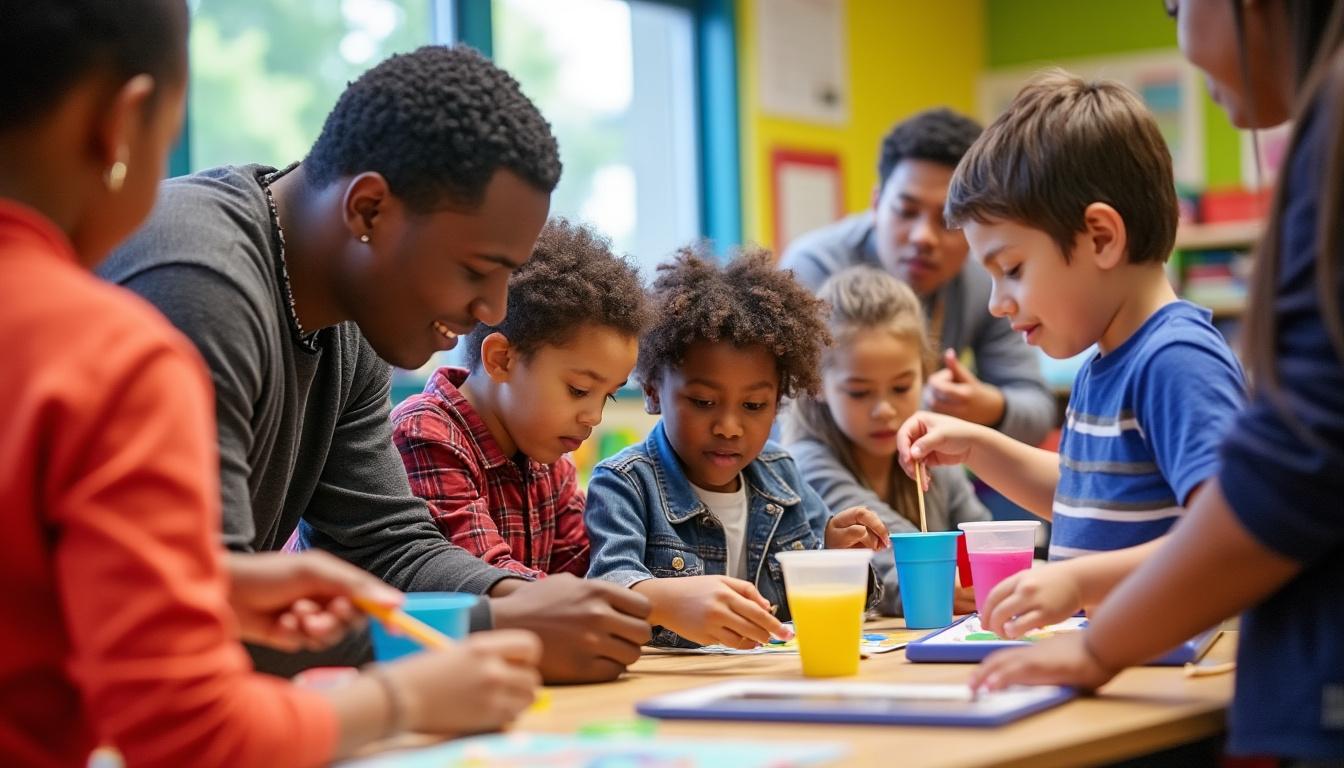
Hofstra Education students thrive when they learn in real-world spaces. A successful collaboration with the Long Island Children’s Museum turns theory into action and transforms future teachers into confident, reflective educators.
Hofstra Education students thrive through museum collaboration
The partnership between Hofstra Education and the Long Island Children’s Museum links university coursework with hands-on teaching. Students design activities, observe children, and test instructional strategies in a live setting instead of only inside lecture halls.
This kind of successful collaboration creates a true education partnership. Future teachers learn how museum programs support classroom goals, and museum staff gain fresh ideas grounded in current research. Everyone works with a shared focus on student engagement and community learning.
Similar projects appear in other contexts, such as inclusive initiatives described in this overview of a disability-focused school program, where partnerships help educators adapt learning spaces to diverse needs.
How Hofstra Education students thrive in real learning environments
In this collaboration, Hofstra students do more than assist with museum programs. They plan, test, and refine activities that align with learning standards, especially in literacy, science, and the arts. They see how children respond in real time and adjust their teaching on the spot.
One semester, a student named Alex designed a science station around motion and force. Children rolled different objects down ramps of various heights and surfaces, then shared what they noticed. Alex later connected these observations to formal science standards and reflected on student misconceptions.
This cycle mirrors the idea of an ideal educational pathway where learners move from theory to guided practice to independent expertise. The museum experience becomes a crucial step in this progression.
Student engagement in Long Island Children’s Museum programs
The Long Island Children’s Museum offers interactive exhibits on science, culture, and creativity. When Hofstra Education students join these museum programs, they learn how to design activities that keep children engaged through touch, movement, and conversation.
Student engagement rises when tasks invite curiosity and choice. For example, during a storytelling workshop, children build their own characters with props instead of listening passively. Hofstra students see how small adjustments like open questions or flexible materials change the energy of the group.
This mirrors research on playful learning and also echoes approaches where digital play supports attention, as explained in this review of how video games enhance learning outcomes.
Practical strategies to increase student engagement
Through the education partnership, Hofstra students collect concrete strategies that they will later transfer into schools across Long Island and beyond. They learn to:
- Use open-ended materials so children explore instead of copy a model.
- Ask “how” and “why” questions that invite deeper thinking.
- Connect exhibits to everyday life, like linking a water table to home use of water.
- Offer choices in activities, such as which station to start with.
- Pair movement with talk, like acting out stories or scientific processes.
These methods help all learners thrive, from preschoolers in child care centers to older students in after-school programs. They align with broader priorities in early learning described in resources on child care and early learning quality.
Education partnership and community learning on Long Island
This collaboration works as more than a simple field placement. It functions as a living example of community learning on Long Island. Families visit the museum, meet Hofstra Education students, and see the university as a community resource instead of a distant campus.
The museum strengthens its role as a public learning hub. University programs such as Long Island youth programs at Hofstra University also extend this idea, offering enrichment that blends school learning with out-of-school opportunities.
When children meet college students in these settings, higher education feels more accessible. This is especially important for first-generation families or newcomers, similar to efforts to expand school access for immigrant students in large urban areas.
Why museum partnerships matter for future teachers
Most teacher preparation programs require fieldwork in schools. Museum-based experiences add another layer by exposing students to informal learning settings. They see how curiosity drives behavior when grades and tests are not present.
Hofstra Education students discover how to link informal experiences back to curriculum. A visit to an art exhibit can support writing, history, or science standards through reflective tasks and projects. This flexibility prepares them to design integrated units across subject areas.
Similar thinking appears in arts initiatives like the Long Island Arts Education Summit described by the Long Island Arts Alliance, where community partners explore how arts learning supports both academic and social skills.
How museum programs support inclusive and social-emotional learning
The Long Island Children’s Museum and Hofstra Education teams pay strong attention to inclusion. They design museum programs that welcome children with diverse abilities, language backgrounds, and learning profiles.
For example, quieter gallery times support children who need reduced sensory input. Visual schedules help those who prefer predictable routines. Bilingual labels or support staff help multilingual families feel at ease and involved.
These practices echo inclusive approaches seen in disability-friendly initiatives such as the projects discussed in this article on an Everett disabilities-focused school, where adaptability and respect guide all interactions.
Emotional well-being and learning through play
Children learn best when they feel safe and valued. Museum educators and Hofstra students watch for signs of stress, boredom, or overload and adjust the experience. They slow the pace, break tasks into smaller steps, or invite movement breaks.
Teachers-in-training see in real time how play supports emotional regulation. A child worried about school might relax during a hands-on exhibit, which opens the door to conversation and support. These insights connect to research on student mental health around school transitions, like those outlined in this discussion of mental health and school reopenings.
The result is a richer understanding of teaching as both academic and emotional work, not one or the other.
From museum learning to lifelong teaching skills
Experiences at the Long Island Children’s Museum serve as training for long-term careers. Hofstra Education students learn how to collaborate across organizations, speak with families, and adjust to unexpected situations, from weather disruptions to last-minute group changes.
They also practice explaining complex ideas in simple language, a skill useful when talking with parents, administrators, or community partners. This mirrors broader efforts to involve families in schooling, as in resources that support parents who learn English to guide their children’s education.
When these students enter classrooms, they bring a mindset of partnership. They look for libraries, museums, and community centers as allies rather than separate institutions.
Key lessons future teachers take from the collaboration
Across semesters, several lessons repeat in student reflections from the Hofstra and Long Island Children’s Museum partnership:
- Learning happens everywhere: Museums, homes, and neighborhoods all support growth.
- Engagement beats compliance: Curious children learn more than children who only follow directions.
- Partnerships amplify impact: When schools, universities, and cultural institutions align, families receive richer support.
- Inclusion requires intention: Simple design choices influence who feels welcome and able to participate.
- Reflection drives improvement: Writing, discussion, and feedback turn experiences into lasting skills.
These insights shape how new teachers design lessons, work with colleagues, and connect with community partners across Long Island and in future roles elsewhere.