Italy and UNRWA launch a new Inclusive Education Program to support vulnerable Palestinian refugee children in Lebanon and strengthen child rights in crisis settings.
Inclusive Education Program for Palestinian Refugees
The new Education Program brings together Italy and UNRWA to expand inclusive education for Palestinian refugees, with a focus on children with disabilities and special education needs.
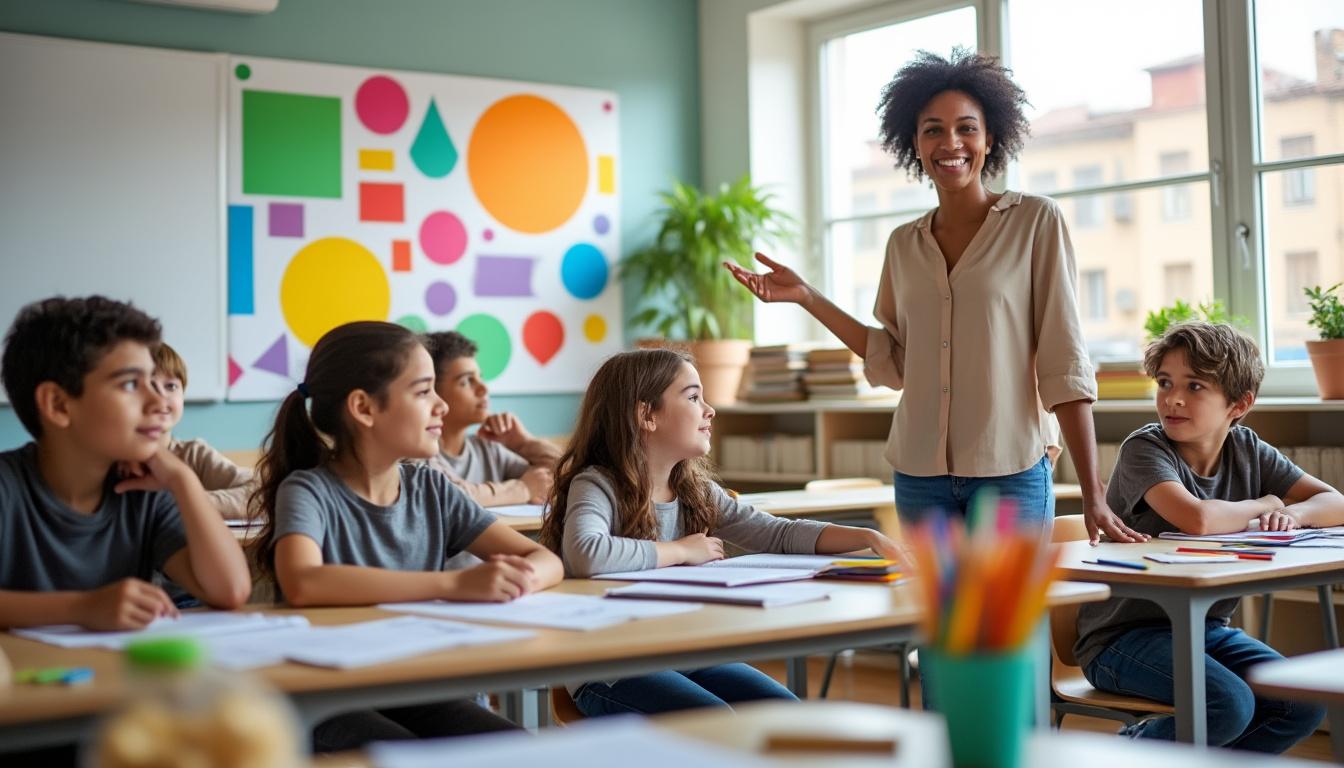
Through this initiative, schools supported by UNRWA introduce tailored learning plans, adapted classrooms and trained teachers. The goal is simple and direct: every refugee child learns in a safe, supportive environment and keeps a realistic path toward further study or work.
Italy and UNRWA partnership for vulnerable children
Italy increases its funding to UNRWA through several grants that reach a total of multiple millions of euros over recent years. Earlier contributions supported Syria and Lebanon. New funds target children whose education faces the highest risk.
The joint effort connects education, social services and protection. Instead of separate projects, the Education Program brings them under one strategy focused on empowerment of vulnerable children in protracted crisis.
How the Inclusive Education Program empowers vulnerable children
Real inclusion in education requires more than access to a school building. The Italy–UNRWA initiative strengthens several layers of support around Palestinian refugees and their families.
Core pillars of inclusive education and empowerment
The program focuses on four linked pillars. Each one responds to daily barriers faced by refugee learners in Lebanon.
- Inclusive classrooms: adapted seating, ramps, visual aids, and accessible toilets so children with disabilities move and learn with dignity.
- Specialized teaching: training for teachers in special education needs, early identification of learning difficulties and individual education plans.
- Psychosocial support: school counselors and social workers address trauma, bullying and family stress.
- Family and community engagement: parents learn how to support homework, attendance and positive discipline.
Taken together, these pillars turn schools into protection spaces where education and child rights reinforce each other.
Concrete support for children with disabilities
The Italy-funded Inclusive Education Program improves access to aids such as hearing devices, wheelchairs, and adapted learning materials. UNRWA also works with local specialists to provide speech therapy and occupational therapy when possible.
For a child like Samir, a fictional 10‑year‑old with hearing loss in a Beirut camp, this support changes everything. With hearing aids, visual teaching tools and a teacher trained in inclusive methods, he stays in school and maintains progress at the same pace as his classmates.
Child rights and refugee support at the heart of the program
The Italy–UNRWA initiative aligns with the Convention on the Rights of the Child and focuses on child rights in every aspect of implementation. Refugee children are not treated as passive recipients but as active learners with opinions and agency.
Protecting child rights in protracted crisis
Many Palestinian refugees in Lebanon face poverty, legal restrictions and overcrowded housing. These conditions often lead to child labor, early marriage or school dropout.
By strengthening inclusive education, UNRWA and Italy give families an alternative. When a child learns in a safe, engaging classroom with adapted support, parents see real value in keeping them in school instead of sending them to work.
Refugee support beyond the classroom
Italy’s latest contribution to UNRWA also links education with cash assistance and access to assistive devices. When families receive limited financial support, they find it easier to let their children attend school, especially girls and children with disabilities.
This integrated refugee support model reflects lessons from other programs highlighted on Education to the Top, such as the way UNICEF inclusive education initiatives combine learning with protection services.
International cooperation for inclusive education
The partnership between Italy and UNRWA illustrates how international cooperation drives progress in inclusive education when local systems are under strong pressure.
Why Italy’s role matters
Italy’s Ministry of Foreign Affairs and development agency invest in education as a central pillar of humanitarian and development policy. Support to UNRWA fits a broader commitment to vulnerable groups in the Mediterranean and Middle East.
Similar collaborations appear in other contexts, such as university–community education collaborations or apprenticeship pathways that target students facing social or economic barriers.
Links with global inclusive education efforts
The Italy–UNRWA program aligns with a global shift toward inclusive schooling rather than segregated special institutions. It echoes innovative practices described in resources on inclusive education through playful learning and in initiatives for special education services in urban areas.
For policy makers, the message is clear. Investment in inclusive systems, teacher training and assistive technology produces faster gains for vulnerable learners than short-term projects with narrow targets.
Teaching methods and tools in the Italy–UNRWA education program
The Education Program introduces practical teaching strategies that help both children with disabilities and their peers. The same method that supports a child with attention difficulties also enriches learning for the whole class.
Inclusive teaching in daily practice
Teachers receive training on flexible instruction instead of one fixed method. Lessons combine short explanations, group work, simple visuals and hands-on tasks. This reduces frustration and supports different learning styles.
Approaches used in this program connect with global reflections on literacy and access, similar to stories shared through literacy access initiatives that focus on marginalized communities.
The role of arts and creative activities
Arts-based learning holds a special place in the Italy–UNRWA project. Drawing, drama and music help vulnerable children deal with stress and express emotions that words alone do not cover.
These methods link closely with research on arts education for children and broader arguments for child rights through artistic education. For refugee learners who have faced conflict or displacement, artistic expression often becomes the bridge back to concentration and motivation in more academic subjects.
Life chances and long-term impact for Palestinian refugee children
Inclusive education is not only about what happens this school year. It shapes whether Palestinian refugees enter further study, vocational training or decent work paths.
From classroom to future opportunities
When children complete basic education with solid skills, they stand a better chance of joining vocational programs or higher education. Evidence from other contexts, including targeted training like the ones behind street-connected children support funds, shows that early support pays off in higher employment and reduced social exclusion.
For a refugee child with a disability, staying in school often means the difference between long-term dependence and genuine participation in community life.
Community empowerment through education
The Italy–UNRWA Education Program also helps communities organize parent groups, youth clubs and peer tutoring schemes. Older students mentor younger ones, including those with learning difficulties.
This model mirrors wider experiences explored in debates about community-based education traditions, where strong internal networks sustain learning across generations. For Palestinian refugee families, these networks become a source of stability in uncertain times.