

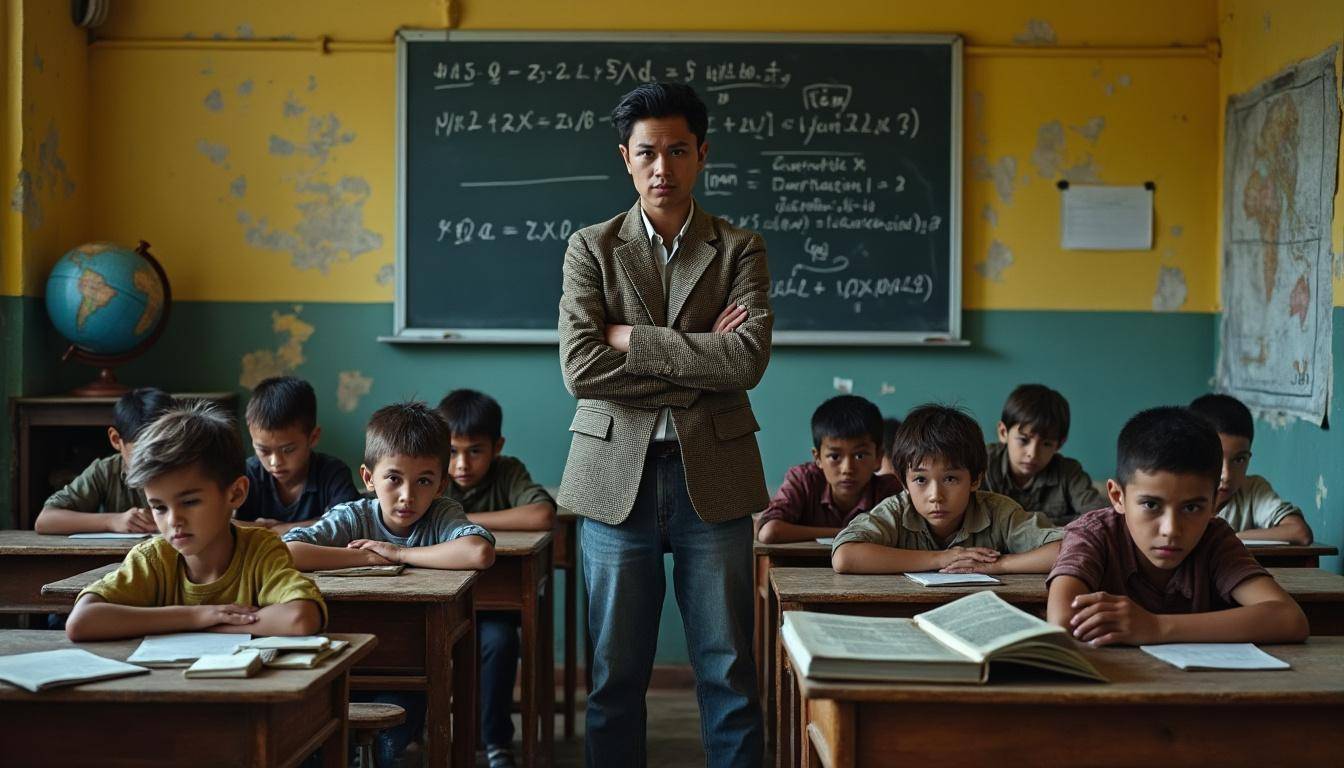
MAGA’s new campaign on immigration and schools targets some of the most vulnerable students: immigrant children whose education and future depend on stable, fair policy. This text explains how this MAGA campaign undermines education for immigrant children, what it means for children’s rights, and how families and educators respond.
MAGA campaign and immigrant children’s education rights
The current MAGA campaign on immigration uses schools as a political stage. Leaders around this movement question whether undocumented immigrant children should receive public schooling at all.
Since 1982, the Supreme Court decision Plyler v. Doe has protected the right of undocumented children to attend public school. The ruling states that denying education based on immigration status violates the Equal Protection Clause. The new MAGA education strategy tries to reopen this debate by pushing states to challenge Plyler through aggressive state-level policy.
For a child like Luis, a 9‑year‑old who arrived in the United States with his family, school is not a political topic. It is where he learns English, feels safe, and builds a future. For him, this new MAGA campaign feels like a direct threat to his classroom seat.
How MAGA rhetoric undermines education access
The MAGA movement links immigration to public cost, crime, and “law and order.” When this language enters debates about schools, it frames immigrant children as a burden instead of learners.
Three main tactics appear again and again:
- Questioning legal obligations: Some politicians argue states should not be forced to educate undocumented students, despite Plyler v. Doe.
- Threatening funding: Proposals seek to withhold resources from districts that serve large numbers of immigrant children.
- Sending “deterrent” messages: Leaders say they want to send a signal to families abroad that their children will not receive public education if they cross the border.
When these ideas spread, they undermine education by making immigrant children feel unwelcome and unsafe at school.
Public education, immigration policy, and discrimination
Education policy has always interacted with immigration. What is new is the intensity of the MAGA effort to mix border politics with the daily schooling of children.
Public schools have a legal duty to serve all resident children, no matter their status. Yet MAGA proposals try to blur this line. Some proposals ask schools to check the immigration status of students or parents. Others suggest separate funding formulas for districts with many newcomer students.
This approach risks direct discrimination. When schools start treating children differently because of where they were born or how they entered the country, they breach basic principles of equal protection and children’s rights.
Children’s rights and international standards
Global norms are clear. The Convention on the Rights of the Child views education as a fundamental right for every child, regardless of status. Many democracies treat the schooling of immigrant children as a non-negotiable obligation.
When a MAGA campaign questions these rights, it puts the United States at odds with these standards. It sends a message that a child’s birth country matters more than the child’s potential, effort, or dignity. For educators who dedicate their lives to inclusion, this message feels like a direct attack on their mission.
Psychological impact on immigrant children in MAGA-era schools
The presence of MAGA slogans, hats, and flags in schools affects more than adult politics. For many immigrant families, MAGA symbols represent hostility to their existence in the country.
Research on school climates shows that perceived hostility increases anxiety, absenteeism, and dropout risk. An immigrant child who hears classmates chanting political slogans against immigrants will not focus on math or reading. The child watches for threats instead.
From fear to withdrawal from schooling
Educators report that immigration enforcement actions near schools have already reduced attendance among immigrant children. The new MAGA campaign multiplies this fear. Parents worry that sending their children to school exposes the family to scrutiny.
Common responses include:
- Keeping children home on days of rumored raids or policy announcements
- Avoiding parent-teacher meetings or school events
- Refusing school services that ask for personal information
Each missed day or avoided service weakens the child’s education. The result is an invisible dropout process that starts long before a student formally leaves school.
MAGA education policy goals and legal challenges
MAGA-aligned lawmakers frame their approach as “protecting taxpayers” or “securing borders through schools.” Their policy goals often include:
- Inviting court cases to challenge Plyler v. Doe
- Allowing states to deny enrollment to certain immigrant children
- Cutting federal or state funding to districts that serve large newcomer populations
Real legal battles already reflect this trend. For example, debates around school funding and state responsibility, such as the disputes analyzed in the discussion of the Texas education lawsuit, show how political groups attempt to reshape who deserves support.
How local districts navigate MAGA pressure
District leaders stand between federal principles and local MAGA activism. Some school boards pass resolutions affirming the right of all children to attend school. Others avoid direct statements to steer clear of controversy, which leaves immigrant families uncertain.
In some states, funding debates create additional strain. When budgets tighten, it is easy for politicians to blame “noncitizen students” for stretched resources. Yet detailed analysis of school finance, similar to research on New Jersey education funding, shows that resource gaps reflect tax structures and political priorities more than the presence of immigrant children.
The key insight is simple: schooling quality declines for all students when politics treats some children as expendable.
Everyday discrimination in MAGA-influenced schooling
Not all harm comes through formal laws. Everyday acts inside schools also undermine education for immigrant children. Teachers might lower expectations for English learners. Administrators might steer newcomer students away from advanced courses “for their own good.”
MAGA rhetoric reinforces these patterns by painting immigrant communities as outsiders to the “real America.” Social studies lessons that ignore migrant histories, disciplinary rules that punish languages other than English, and bullying based on accents all contribute to systemic discrimination.
Recognizing subtle forms of discrimination
Families report subtle signals such as:
- Staff questioning whether they belong in the district
- Lack of interpretation at school meetings
- Posters that celebrate “American heritage” while ignoring immigrant stories
On their own, each detail might seem small. Together they tell immigrant children that they are guests, not full members of the school community. This erodes trust and reduces engagement in learning.
Protecting immigrant children’s schooling in a polarized era
Despite the MAGA campaign, many educators work every day to protect immigrant children’s rights. They design trauma-informed approaches, provide mental health support, and communicate clear messages that schools are safe spaces for all students.
Parents and community groups organize to document discrimination and advocate for inclusive education policy. They learn from other struggles, such as efforts to defend the state of education for Black children, where activists combine legal action, data, and storytelling to confront unequal treatment.
Practical steps for teachers, parents, and students
If you teach, parent, or mentor immigrant children, you hold influence. Consider these steps:
- Know the law: Understand that students have a right to public education regardless of immigration status.
- Protect privacy: Avoid collecting or sharing information about families’ status.
- Build inclusive classrooms: Use curriculum that reflects diverse histories and languages.
- Respond to harassment: Treat MAGA-themed bullying or exclusion as a serious issue, not “political debate.”
- Connect with resources: Link families to local legal aid and community organizations.
Each practical action sends the opposite message of the MAGA campaign: every child in your classroom matters and deserves full access to schooling.
Education as a shared investment beyond MAGA politics
When public debate frames immigrant education as a cost, it ignores long-term returns. Children who receive strong schooling grow into workers, taxpayers, and community leaders. Cutting their education weakens the whole society.
Studies of long-term educational access in fragile situations, such as the cases examined in work on educational access in contexts of conflict, show one repeating pattern. When leaders treat some children as less deserving, entire systems become fragmented and unstable.
Reframing the debate around children’s rights
To move beyond the MAGA campaign’s narrow focus, you can ask a simple question in any discussion about immigration and schools: What outcome serves children’s rights and learning best?
If a proposal leads to fear, exclusion, or interrupted schooling, it undermines education and contradicts the core purpose of public schools. Once debates return to this core, it becomes harder to justify policies that treat immigrant children as bargaining chips in broader immigration fights.
Protecting immigrant children’s education is not a side issue. It defines whether the school system honors its promise to every child who walks through its doors.