

A regional museum launch of a new initiative to support children’s educational programs shows how community events shape real learning. The Bailey-Matthews National Shell Museum & Aquarium used its annual gala to grow outreach, bring science alive, and reach more schools that struggle with access.
Museum launch initiative to support children’s education programs
The recent benefit gala, called Enchantment Under the Sea, marked a major museum launch of an expanded plan to support children and education programs in Southwest Florida. Held at The Community House on Sanibel, the event used an auction to raise funds dedicated to school learning initiatives.
The museum already works with about 15,000 K-12 students each year and has reached full capacity. Many schools sit on a waiting list, especially those with limited funding. This initiative gives the institution a way to grow its education programs without asking schools to carry the cost.
The benefit’s proceeds will strengthen the museum’s learning outreach in three direct ways. First, by adding vehicles for school visits and mobile programs. Second, by updating educational materials for hands-on science. Third, by supporting new staff who focus on community outreach and school partnerships.
How museum education programs change school learning
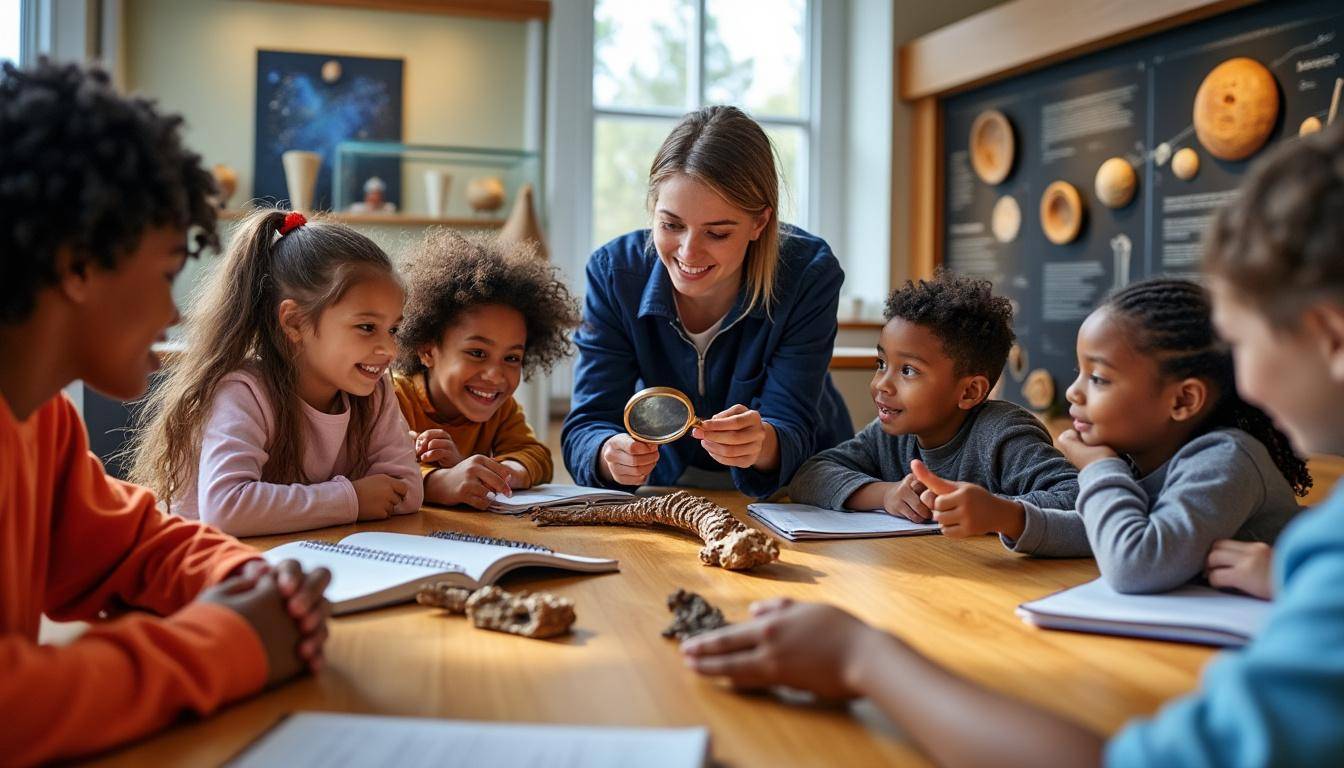
Many students in Southwest Florida live near coastal ecosystems yet know little about the animals in their own waters. During the museum’s school programs, children meet live mollusks and marine life, play shell identification games, and take part in interactive conservation activities.
For a large share of participants, it is the first time they see the animals that build shells. They begin to connect shell shapes with living creatures, water quality, and the health of beaches they visit with their families. This kind of direct experience builds scientific thinking more quickly than textbook-only lessons.
The museum’s educators also link each activity with clear learning goals. For younger grades, the focus stays on observation, curiosity, and vocabulary. Older students explore water chemistry, food chains, and human impact on coastal habitats. Teachers report that students talk about the visit weeks later, which shows the depth of the learning experience.
Community outreach at the museum for Title 1 schools
A key goal of this museum initiative is to increase community outreach for Title 1 schools. Most schools served by the program have high numbers of children from low-income families. Traditional field trips can feel out of reach for them because of transportation, entry fees, and staffing needs.
With the gala funds, the museum plans to offer programs at reduced or no cost. This includes both on-site visits and staff traveling to schools. Outreach vans with mobile exhibits bring live animals, shells, and water quality tools directly into classrooms where bus trips are hard to arrange.
These outreach programs give teachers structured sessions aligned with science standards while lowering their workload. A fourth-grade class studying ecosystems, for example, can receive a full lesson series linking coastal food webs, pollution, and local conservation projects without leaving campus.
What children learn through museum outreach programs
The museum’s outreach and on-site sessions focus on four core learning themes that shape children’s attitudes long term:
- Marine biology basics such as mollusk anatomy, shell formation, and behavior
- Shell identification games that train observation, comparison, and classification skills
- Conservation education centered on clean water, plastic reduction, and wildlife protection
- Southwest Florida coastal ecosystems including estuaries, mangroves, seagrass beds, and beaches
Each theme blends scientific content with practical actions. Children leave with clear ideas about how they influence coastal health through daily choices at home and school.
Educators often share simple home projects such as tracking household plastic use, testing rainwater pH with safe kits, or logging beach wildlife sightings with a family member. These tasks turn museum learning into habits that extend beyond a single visit.
Museum learning, equity, and global conversations on children’s education
This museum launch aligns with a broader movement to strengthen equity in children’s education programs. Around the world, educators push for better access to quality learning for children in low-income communities and conflict zones. Reports on global education progress show two big needs: strong local initiatives and long-term community support.
Local museum outreach offers one answer. When a regional institution invests in Title 1 schools, it narrows gaps in science exposure. Students who might never visit a research center still meet working educators, conduct real experiments, and learn to read data from their own environment.
These opportunities also connect with family decisions about schooling and enrichment. Parents looking for ways to support learning often juggle school choice options, home learning, and local resources. Guides on topics such as home education myths help families match museum programs with their child’s daily routine and needs.
A case example: Mia’s class and the shell museum initiative
Consider Mia, a fifth grader at a Title 1 elementary school in Fort Myers. Her class has never taken a science field trip because transport costs strain the school budget. Science lessons rely on old textbooks and limited lab supplies.
After the gala-funded museum initiative expands, Mia’s teacher requests a spot in the museum’s outreach program. A van arrives with live mollusks, water testing tools, and trays of shells from different species. For three sessions, the museum educator co-teaches with the classroom teacher.
Mia discovers how salinity and temperature influence marine life survival. She writes her first lab report, compares her data with classmates, and presents conclusions to the group. By the final session, she tells her teacher she wants to study marine biology in high school and beyond. One focused program has shifted her vision of her own future.
Funding children’s education through museum initiatives
Behind every museum launch of new education programs stands a funding story. The Shell Museum’s gala brings donors, families, and educators into one room with a clear goal: support children’s learning. Silent auctions, sponsorships, and direct gifts combine to pay for staff time, supplies, and bus transport.
Communities that want to strengthen similar investments explore different models of funding children’s education. Resources on funding children’s education explain how scholarships, community foundations, and local business partnerships help sustain outreach programs over time.
In Sanibel, Executive Director Sam Ankerson thanked donors by stressing that they were investing in thousands of children for years to come. This message matters. When supporters see their gift as an investment rather than a one-time donation, they tend to stay involved, attend future events, and encourage others to contribute.
Practical steps for parents and teachers to use museum programs
Parents and educators who want to benefit from this type of museum learning initiative follow a few concrete steps. These steps turn a good intention into a structured experience for the children in their care.
- Contact the museum’s education department early to ask about school programs and outreach schedules
- Explain your school’s context, including Title 1 status or transport limits, to discuss reduced-cost options
- Align the visit or outreach session with your science or social studies units for stronger learning impact
- Plan pre-visit lessons on shells, oceans, or conservation so children arrive with background knowledge
- Use post-visit projects such as posters, reports, or family conversations to reinforce new concepts
When you follow these steps, museum education programs shift from a one-day event to part of a longer learning journey that shapes skills, interests, and future study decisions.