
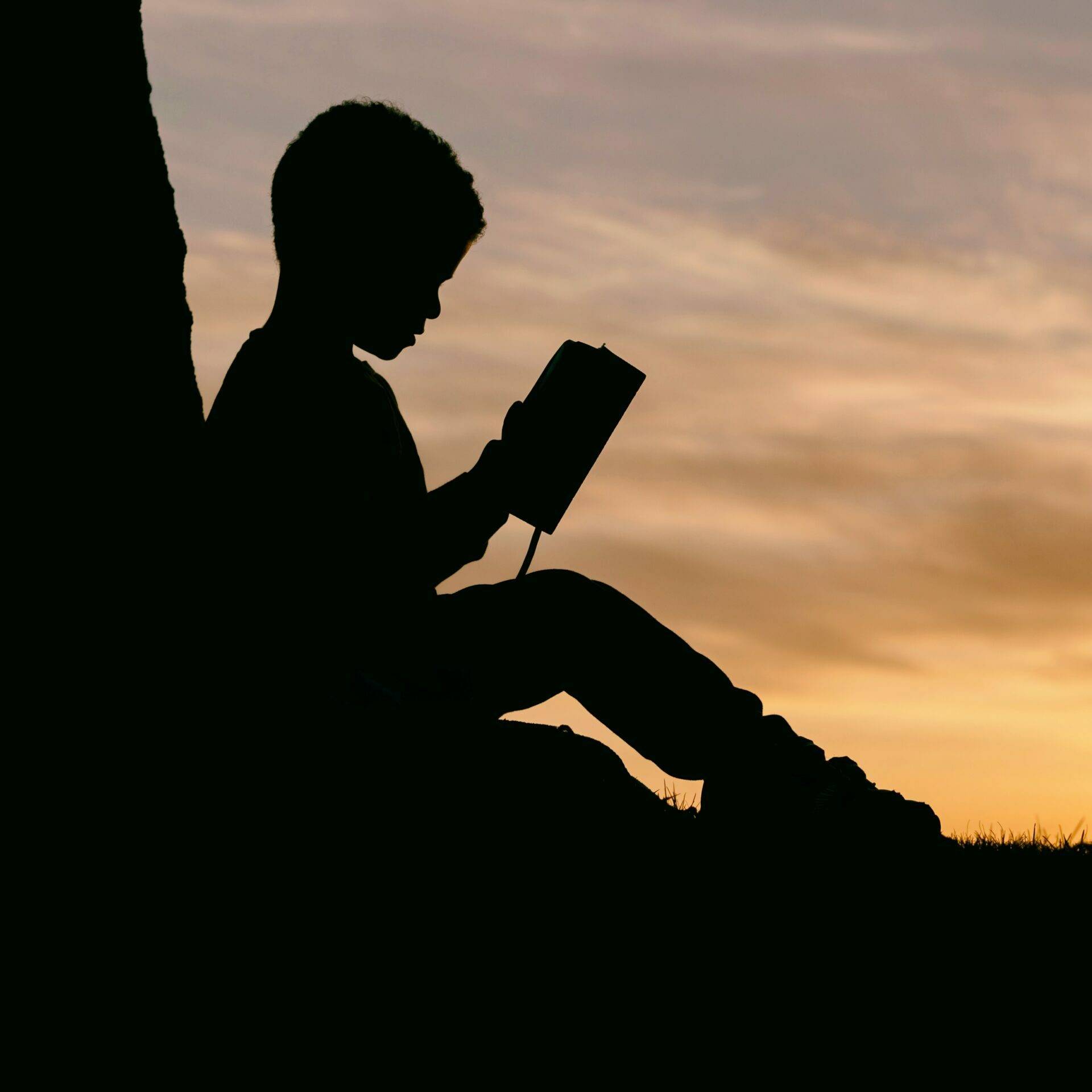
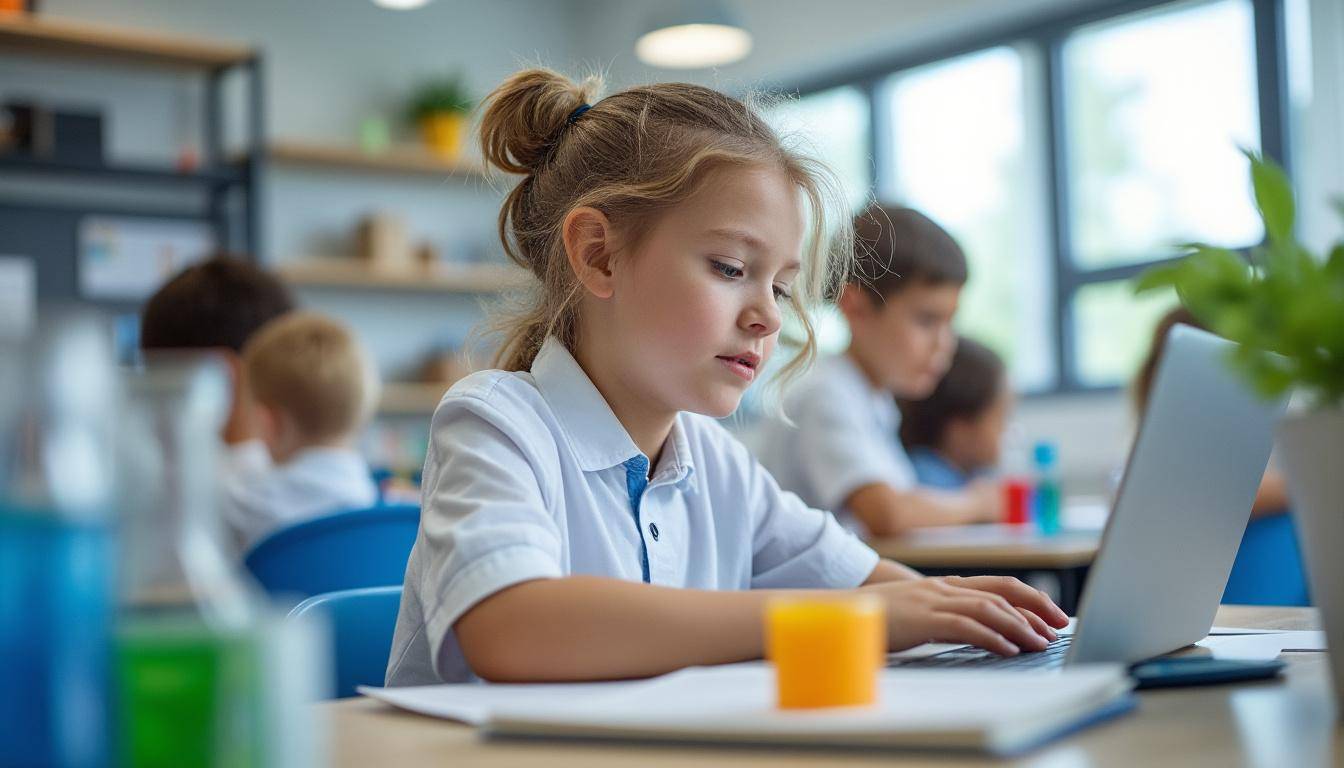
Schools nurturing intellect while overlooking spiritual growth shape high-achieving but fragile students. You see strong grades, digital skills and full schedules, yet many children feel lonely, anxious and unanchored in a complex world.
Schools, intellect and spiritual growth in a complex world
Many school systems focus almost entirely on intellect, test scores and performance. This narrow vision of education weakens child development, because it ignores spiritual growth, meaning and belonging.
In countries such as Aotearoa New Zealand, mental health data alerts parents and educators. International studies link rising anxiety, bullying and school avoidance to a model of education where success is measured only by grades and future income.
When schools nurture intellect without nurturing the inner life, children learn how to think but not why they matter. In a fast-changing, complex world, this gap leaves them less resilient and less grounded.
Why spiritual growth belongs in modern education
Spiritual growth in education does not mean imposing one religion. It means taking seriously the idea that every child has an inner life, a conscience and a sense of connection that need support.
Holistic learning models, such as the Māori framework of wellbeing with its spiritual pillar, show that physical health, intellect, social ties and spiritual life stand together. When the spiritual side is ignored, the whole structure weakens.
Education that honours spiritual growth helps students form identity, purpose and a sense of service. This wider vision shapes young people who think clearly, act ethically and feel part of something larger than themselves.
Child development needs more than intellect in the school curriculum
Traditional schooling tends to treat intellect as the “real work” and everything else as optional extras. Yet research in child development shows that spiritual experiences of awe, gratitude and connection support emotional well-being and moral agency.
Psychologists such as Lisa Miller describe spirituality as a basic human capacity. Children look for patterns of meaning, ask deep questions and sense mystery long before they master abstract logic. If adults ignore this, children receive the message that their deepest questions do not belong in school.
A school curriculum that speaks only to intellect but never to inner life fragments the child. Learning feels disconnected from who they are and what they value.
Emotional well-being and grounded children
Many wellbeing programs teach emotional regulation techniques such as breathing exercises or simple mindfulness. These support emotional well-being but remain mostly individual and short term.
Spiritual education goes deeper. It addresses questions such as “Who am I?”, “What do I stand for?” and “How am I connected to others and to the world?” Children who explore these questions develop a more stable sense of self. They become more grounded, less easily shaken by social pressure or online comparison.
When schools create time for reflection, gratitude and awe, they help students build an inner anchor. This makes a direct difference in how young people navigate stress, conflict and uncertainty.
Spiritual growth as the missing pillar of holistic learning
Holistic learning aims to engage the mind, body, heart and spirit. Yet in practice, most education systems stop at cognition and sometimes social skills. The spiritual pillar often remains invisible or is treated as private.
Across cultures, wisdom traditions speak of the child as carrying a noble soul, a heart, or a mine rich in hidden gems. Education then becomes a process of bringing out qualities such as compassion, courage, honesty and perseverance.
When schools integrate this view into daily practice, holistic learning stops being a slogan and turns into a lived reality for students and teachers.
How holistic learning shapes personal growth
Holistic learning supports personal growth through concrete habits, not abstract slogans. It connects intellect with conscience and action, so knowledge turns into contribution.
For example, a science lesson on climate issues can include a reflection on responsibility, interdependence and future generations. A history class can explore not only events, but also courage, justice and forgiveness.
In this way, the school curriculum becomes a field where students practice discernment, empathy and service, instead of storing facts with no link to their inner life.
- Daily reflection on actions, choices and intentions
- Service projects that link learning to community needs
- Silence or stillness moments before or after intense study
- Dialogues on meaning where students ask deep questions safely
- Art and storytelling to explore values and spiritual themes
Each of these practices ties knowledge to meaning, which is central to personal growth and spiritual education.
Spiritual growth, identity and belonging in a complex world
Children grow in a complex world marked by fast technology, global crises and social fragmentation. In such a setting, questions of identity and belonging move to the centre of child development.
Spiritual growth supports identity by offering a stable sense of dignity and purpose that does not depend on appearance, grades or likes. It also deepens belonging by connecting children to family, community, nature and, for many, a sacred reality beyond the self.
Without this, it becomes easier for young people to feel replaceable and alone, even when surrounded by people and screens.
From loneliness to connection
Many teenagers describe feeling lonely in crowded schools. They succeed on paper but lack a sense of being seen as whole human beings. Spiritual growth in education responds to this hunger.
Group reflection circles, shared service activities and time in nature help students experience connection directly, not only as an idea. These experiences lower social barriers and build empathy across backgrounds.
Resources such as discussions on how family beliefs impact education show how values at home and at school interact. When both contexts honour meaning, identity and service, children feel less torn and more held.
Community-led examples of spiritual growth in education
Across the world, families and communities already experiment with forms of education that nurture both intellect and spirit. Their experience offers practical models for schools.
One example is neighbourhood-based children’s classes that blend stories, discussion, song, art and simple community service. These spaces focus on qualities such as kindness, justice and cooperation, rather than on narrow doctrinal teaching.
Parents often report noticeable changes: children become more thoughtful, more helpful at home and more able to handle conflict with friends.
What parents and teachers observe
When spiritual growth is woven into weekly routines, adults see shifts that pure academic focus rarely achieves. Children speak more freely about their feelings, ask deeper questions and show more initiative in helping younger peers.
Educators working with holistic and spiritually aware methods describe calmer classrooms, stronger relationships and fewer behaviour issues. Academic learning benefits because students feel safe and valued.
Approaches such as Montessori, which respect the child’s inner drive and dignity, offer useful insights. You might explore these ideas through resources like this overview of the Montessori method and its insights for education.
Practical ways schools nurture intellect and spiritual growth together
Schools do not need to choose between strong intellect and spiritual growth. Thoughtful design of the school curriculum allows both to thrive.
Small daily shifts have large impact. The goal is to help each student integrate thinking, feeling, conscience and action.
Everyday practices for teachers
Teachers can weave spiritual growth into ordinary lessons through brief, regular practices:
- Start or end class with one minute of silence for breathing or gratitude
- Invite students to connect each topic to a value such as fairness or care
- Use stories of moral courage in history, science and literature
- Organise small acts of service linked to subjects, such as environmental projects or peer tutoring
- Encourage personal reflection journals where students note insights, questions and intentions
These practices do not require extra subjects. They shape how existing content is taught and processed inside the student’s inner life.
Roles for parents in supporting holistic learning
Parents influence spiritual growth through daily routines, conversations and choices. Regular family reflection, shared service, limits on technology and open talks about values all support grounded children.
Guides that empower parents in education, such as this resource for parents who want a stronger voice in their child’s learning, help families align home practices with school efforts.
When schools and families treat spiritual growth as a shared responsibility, children receive a clear, coherent message about who they are and what education is for.
Reframing success in education for grounded children
To serve children in a complex world, societies need a broader picture of success. High intellect and technical skills matter, but they are not enough to guide life choices or sustain hope through difficulty.
Success in education looks different when spiritual growth and emotional well-being sit alongside grades. A “successful” student then is one who reasons well, cares deeply, acts with integrity and knows they belong to a larger human family.
Once this vision guides policy, teacher training and curriculum design, schools move from producing anxious performers to forming grounded children who think clearly and live with purpose.