
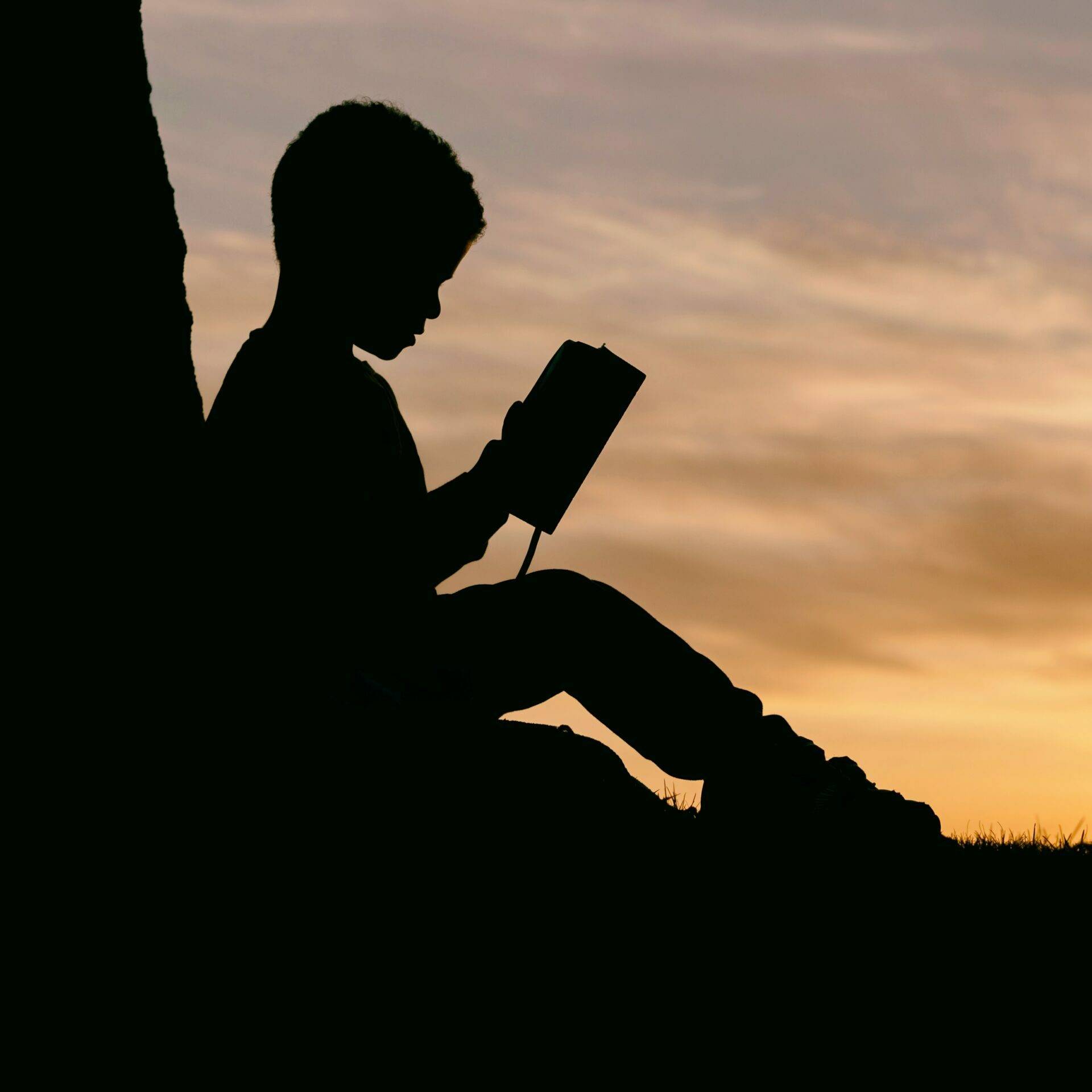

Y Reads turns struggling kids into confident readers who move from learning to read to reading to learn. Through small groups, targeted instruction and caring adults, the program delivers real reading improvement and long-term child literacy gains.
Y Reads learning to read support for struggling kids
At Global Learning Academy, school days often end with small groups of students sitting with volunteers, books and iPads. These children are part of Y Reads, a structured mentoring and reading remediation program for kindergarten to fourth grade students who struggle the most with reading skills.
One group participates in Kidz Lit, reading aloud, listening and talking about stories with an adult. Another group follows SIPPS, a structured sequence focused on phonics, phonemic awareness and sight words. A third group works independently on iPads with RAZ-Kids, an online library of leveled ebooks with quizzes that reinforce decoding and comprehension.
Across seven elementary schools, about 30 students per site join Y Reads each year. They are referred by principals and teachers because they sit at the very bottom of reading scores in their school. This clear targeting is essential for real literacy transformation.
Why Y Reads focuses on early reading experts
Y Reads concentrates on early grades because third grade is a turning point. Up to third grade, children are learning to read. From fourth grade onward, they are expected to be reading to learn in science, social studies and math word problems.
The program director explains that for many students this transition is all or nothing. If they miss the shift to fluent reading, every subject becomes harder, their confidence drops and they start to feel they do not belong in school. Y Reads intervenes before this slide happens.
For parents who want extra tools at home, resources on boosting children’s literacy help you reinforce decoding, vocabulary and comprehension alongside programs like Y Reads.
How Y Reads builds strong reading skills and confidence
Y Reads uses a mix of evidence-based practices and personal attention. The goal is not only higher test scores, but a shift from hesitant decoding to fluent, confident reading.
Each student spends two days per week with volunteers in groups of about five. Sessions run from the end of the school day until around 3:30 or 4 p.m., four days a week across the site, for 32 weeks during the school year. A 10-week summer extension at YMCA camp keeps progress from fading.
Small groups and leveled books for literacy transformation
Y Reads relies on small groups to accelerate reading improvement. In a regular classroom, a struggling child often sits quietly with a book that is too hard. In Y Reads, the child receives material matched to their precise level.
The team uses Kidz Lit stories to build enjoyment and discussion, SIPPS lessons for systematic phonics, and RAZ-Kids for self-paced practice. Children read books that stretch them slightly but stay within their reach, which protects self-esteem and builds stamina.
For educators looking to align their practice with this approach, it is helpful to review outdated teaching methods in reading and update classroom instruction so struggling kids receive consistent support across settings.
Concrete results in reading to learn experts
Program data show why many schools consider Y Reads a core part of their education strategy. Over three years, more than 530 students have enrolled, with up to 40 places per school. The program set a goal for 75 percent of participants to raise standardized reading scores.
They surpassed this target. In the most recent school year, 83 percent of Y Reads participants improved on STAR and FAST reading assessments, and 92 percent moved on to the next grade. At Global Learning Academy, third grade reading proficiency grew from 22 percent to 39 percent across a few years, a 17-point increase. Staff link this shift directly to early intervention through Y Reads.
These outcomes echo what researchers find about intensive tutoring. Structured literacy training for tutors and consistent small-group practice often outperform short, general homework help.
Y Reads reading improvement beyond test scores
Scores matter, but they tell only part of the story. Y Reads also tracks behavior, student attitudes and family feedback to measure deeper literacy transformation.
Surveys show that 81 percent of parents who had reported behavior problems saw better conduct after their child started Y Reads. In classrooms, 84 percent of teachers rated Y Reads students’ behavior as acceptable, suggesting better engagement and self-control.
From nonreader to confident reading expert
One boy entered Y Reads at the 5th percentile in reading. In practical terms, 95 percent of his peers read better than he did. He was painfully shy, reluctant to speak up or open a book in front of others.
After a year of targeted reading skills work, encouragement from volunteers and daily exposure to leveled texts, he finished at the 79th percentile. At that point he “graduated” from the program because he no longer fit the profile of a struggling reader.
This type of growth is not rare inside Y Reads. Volunteers report seeing children who begin as nonreaders return the next year reading independently. They attribute this progress to the combination of structure, repetition and relational support.
Struggling kids and the emotional side of learning to read
Reading difficulty affects more than grades. Many young children sense the gap between themselves and classmates during whole-class reading time. They know when everyone else finishes a passage while they still sound out basic words.
Y Reads interrupts that shame cycle. Because groups include students with similar needs, children stop feeling alone. They experience adults who listen patiently and cheer small wins, like finishing a page without guessing.
Parents often share relief when they see their child eagerly attend afternoon sessions. For families navigating stress around homework or tests, guidance on parenting advice during exam periods supports a calmer home environment that matches the encouragement students receive in Y Reads.
Family, school and community roles in child literacy
Y Reads functions as an extended classroom. Students keep the same adult mentors across the year, which builds trust. Sessions offer far more reading time than most standard tutoring, often two solid hours twice a week.
Parents see this as intensive support, not a short-term fix. Many express gratitude that their children receive structured reading instruction and mentorship until late afternoon, especially when transportation and schedules limit access to private tutoring.
Strengthening family involvement in reading to learn
Home involvement multiplies the effect of any school-based program. Families who talk about books, listen to their child read aloud and visit the library increase daily exposure to print, which is crucial for child literacy gains.
Y Reads staff often coach parents on simple steps. Ten minutes of shared reading each night, making reading part of bedtime routines and asking open questions about stories turn students into active thinkers, not passive decoders.
For families seeking structured ideas, this guide on strengthening family involvement in education offers practical routines that align with what children do inside Y Reads sessions.
Inclusive education and support for complex backgrounds
Many Y Reads participants face additional challenges, such as poverty, unstable housing or stress at home. For some children, a parent’s incarceration or frequent moves disrupts school continuity and reading practice.
Schools and community programs improve outcomes when they understand these contexts and respond with inclusive approaches instead of blame. Resources on the impact of parental incarceration on children help educators and parents coordinate support around literacy as a stabilizing force.
Teachers who adopt effective inclusive teaching techniques in class create conditions where Y Reads gains translate into daily classroom success instead of staying isolated in after-school sessions.
Practical tips parents and teachers can copy from Y Reads
You do not need a full program budget to bring Y Reads principles into your home or classroom. Start with small, consistent habits that mirror what works in the intervention setting.
These practices support the journey from learning to read to reading to learn for any child, whether or not they attend Y Reads.
Strategies you can adopt today for reading improvement
Here are concrete steps inspired by Y Reads that you can apply:
- Use leveled texts: Offer books slightly above the child’s comfort zone, not far beyond it, to stretch skills without frustration.
- Schedule frequent short sessions: Two focused 20-minute reading blocks beat one long, tiring hour.
- Blend phonics and stories: Mix explicit decoding practice with enjoyable stories to grow both accuracy and motivation.
- Read aloud together: Take turns reading sentences or pages so children hear fluent models and join in.
- Ask questions: Pause to ask “What do you think will happen next?” or “Why did this character do that?” to build comprehension.
- Celebrate small wins: Notice progress such as fewer errors on sight words or longer stretches of independent reading.
- Keep progress visible: Track the number of books finished or levels passed to show growth over time.
For teachers who want to monitor growth without relying only on standardized tests, reviewing authentic assessment methods supports more accurate views of reading development.
From childhood reading to long-term education success
Early literacy has a lasting effect on later life. Students who become true reading experts in elementary school handle complex texts in middle and high school more smoothly. They engage with science articles, history documents and exam questions as opportunities, not obstacles.
Long-term studies link early reading proficiency to higher graduation rates and better chances of completing higher education. Families who care about future pathways benefit from exploring strategies for child college success, which always start with strong reading foundations in the early years.
By combining targeted support like Y Reads with informed parenting and inclusive teaching, communities move more children out of the “struggling kids” category and into a future where reading truly becomes the bridge to all other learning.