
Children in U.S. classrooms carry heavy fears linked to immigration raids, school shootings, and insecure legal status. This text shares a strong teacher perspective from Minneapolis to show how these pressures shape child trauma, education, and daily life.
Child trauma in education: a teacher perspective from Minneapolis
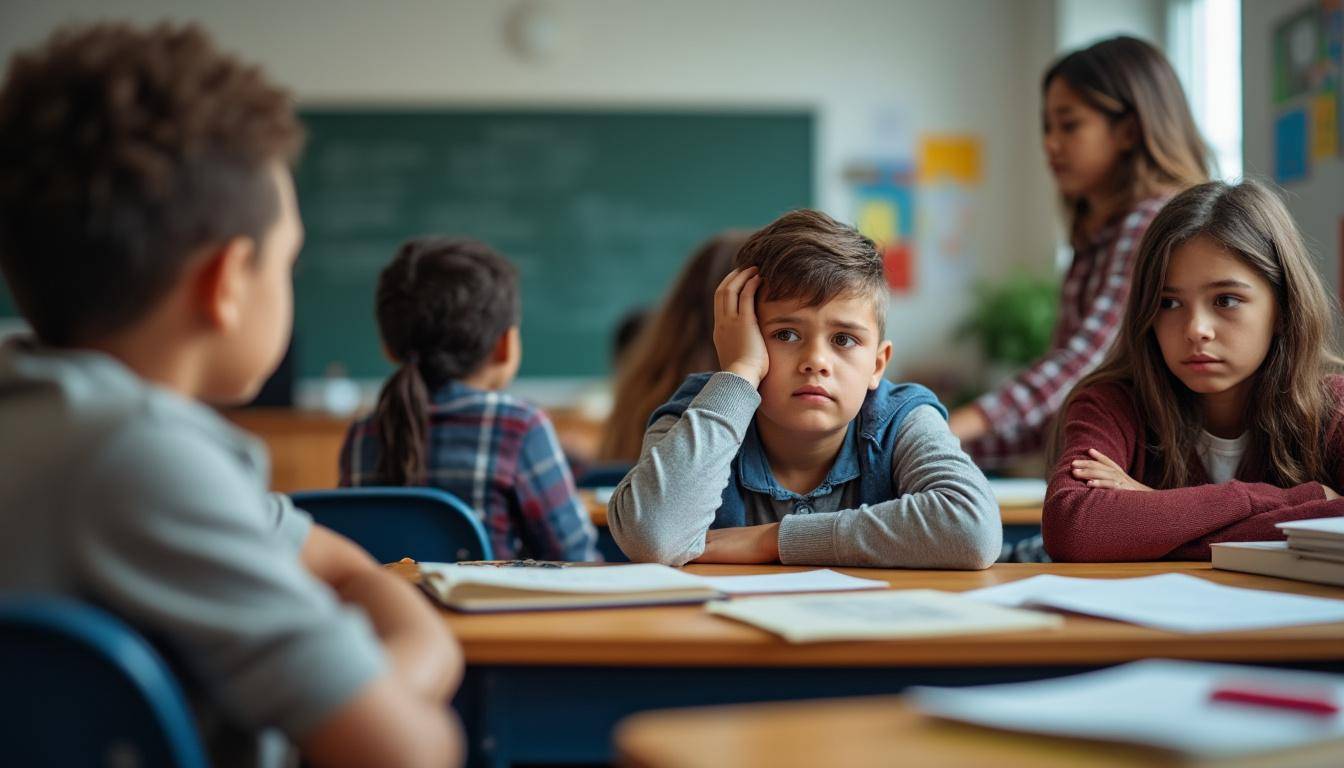
In a high school in Minneapolis, literature teacher Italia Fittante sees child trauma unfold at her desk. Students arrive worried about grades but crushed by deeper fears. Their stories reveal how social issues, immigration policy, and school violence intersect with learning.
One senior asks for more time on a final project. His parents no longer leave the house because they fear immigration checks on the street. At 17, he works after school and weekends to pay bills. He keeps his U.S. passport in his pocket all day, even in class, because masked adults in unmarked cars have already stopped him twice and demanded proof he belongs in the country where he was born.
He dreams of medical school. He even has a place reserved at a university in Mexico as a backup plan if his parents must leave. His future depends less on his talent and more on the next policy decision. Faced with this, his teacher tells him to forget the deadline. This is how child welfare looks when fear controls a family.
Child trauma and constant immigration fear
Another student arrives before class with bloodshot eyes, worried about a missed reading quiz. Over the weekend, she worked the cash register at a fast-food restaurant when immigration agents stormed in. They forced their way to the back and detained two of her coworkers. No one knows where these adults are now or if they will return.
This teenager immigrated three years ago. Since the raid, she has not slept. Her body shows classic signs linked to mental health strain: insomnia, shaking hands, difficulty focusing. The teacher again tells her to forget the quiz. In that moment, grade recovery matters far less than basic emotional safety.
According to recent studies on immigration stress in children, exposure to sudden, violent arrests in workplaces or homes increases anxiety, nightmares, and distrust of adults in authority. Students in Minneapolis describe their city as hostile ground, where a walk to school might end in detention for a parent or neighbor.
Education, child welfare, and school safety in everyday life
For these students, education does not happen in a neutral space. Their school day sits on top of repeated emergencies. Over recent weeks, federal immigration teams have operated across Minnesota with visible force. Children have been taken from driveways, cars, and sidewalks on their way to school, including one as young as five years old from a nearby district.
Students sit in Advanced Placement Literature reading about the American Dream while silently counting which relatives might be deported before graduation. They learn algebra while planning how to pay electricity or rent if a parent disappears. They draft college essays about resilience while doubting they will stay long enough to attend university here.
Research on American youth health in schools shows that chronic stress lowers concentration, increases absenteeism, and raises dropout risk. When safety feels uncertain, the brain prioritizes survival over learning. This is not laziness. It is biology.
Child trauma and school shooting fears
For many young people, child trauma is not limited to immigration enforcement. The same Minneapolis students train for active shooter situations through repeated lockdown drills. They identify which corner of each room offers the best cover and distinguish by sound whether shots come from inside or outside the building.
At the start of one school year, two elementary students were killed during mass at a nearby Catholic school. Before news outlets reported it, high schoolers were already calling home from the hallway, sobbing, asking if their families were safe. Some knew the victims. Now, when they enter a classroom, they scan exit routes before they open their notebooks.
Across conflict zones, from U.S. cities to war-affected regions, educators see similar patterns. Reports on the need for safe shelters for children show that violence near schools has long-term consequences for trust in institutions and willingness to attend class. The context differs, but the core question remains similar: how do you learn while expecting harm at any moment.
Trauma awareness and mental health in immigrant students
Students in Minneapolis from immigrant families receive a clear civic lesson in daily life. They see whose safety matters. They see whose suffering is ignored or framed as a necessary side effect of law enforcement. Lessons in the textbook about rights and democracy compete with the reality of masked agents, unmarked cars, and policy decisions that split families overnight.
They draw conclusions quickly. If the country demands their labor in low-wage jobs, asks for calm behavior in class, and expects gratitude for the chance to stay, yet treats their families as disposable, what message about belonging do they hear. When adults in authority show little interest in their mental health, they learn to rely on peers instead.
Global reports on child protection echo this pattern. Analyses of abducted youth from Ukraine show how state actions reshape children’s sense of identity and safety. Although contexts differ, the core harm is similar. When institutions threaten young people, trust collapses and trauma deepens.
How trauma awareness changes classroom practice
For a teacher in Minneapolis, trauma awareness reshapes daily routines. Attendance issues, late work, and distracted behavior cannot be read only as poor motivation. They often reflect sleepless nights, fear of raids, or grief after a community tragedy. A trauma-informed response looks at the story before the symptom.
Italia Fittante adjusts grading expectations, offers flexible deadlines, and makes clear to students that their safety and stability come first. She also builds time for discussion of current events when immigration raids or local violence occur. Ignoring such news does not protect learners. It isolates them.
Many schools in other countries take similar steps with displaced or disabled students. Work on education care plans for children with special educational needs shows the value of individualized support, clear communication, and long-term planning. The same principles help immigrant teens facing fear and loss.
Social issues, child protection, and the role of public opinion
The stories from Minneapolis classrooms raise a larger question. What kind of country traumatizes its children in the name of border control or security. When young people carry passports in their pockets on the way to school to prove their right to exist, something deep in the social contract has fractured.
Public opinion plays a central role. Communities decide whether they accept workplace raids, child detentions, and repeated lockdowns as normal. Media narratives influence whether the public sees these children as threats, burdens, or neighbors whose child welfare needs protection.
Families across regions face related struggles. For instance, disputes like the Lancashire mother’s conflict with school authorities reveal how institutions sometimes dismiss parental concerns over student wellbeing. When officials prioritize rules over children’s needs, they risk deepening mistrust, especially in marginalized communities.
Child protection as a shared responsibility
Effective child protection in education requires more than laws on paper. It demands consistent practices that place children’s safety above political performance. Teachers can adjust grading and classroom climate. Counselors can provide mental health support. Yet wider policy shifts must come from voters, advocates, and leaders.
International initiatives show how collective commitment transforms schooling. Efforts like the global education funds supported by sports organizations aim to secure safe learning environments and access for vulnerable groups. When societies treat education as a right, not a privilege, trauma prevention becomes a central goal, not an afterthought.
Domestic policy toward children with disabilities tells a similar story. Debates over support for inclusive schooling, such as those documented in discussions of services for children with disabilities in the U.S., reveal how partisan decisions affect daily classroom life. Every funding choice signals which children the country chooses to protect.
Practical strategies for trauma awareness in schools
Teachers and parents often ask what practical steps support students living under this kind of pressure. While no single method removes fear of raids or shootings, consistent, small actions make education more stable for traumatized youth.
In Minneapolis, educators use a mix of informal and structured approaches. These strategies help students hold on to some sense of control and dignity in a system that often treats them as secondary.
- Predictable routines: Maintain clear daily structures so students know what to expect, even when life outside school feels chaotic.
- Flexible deadlines: Offer extensions without public discussion when a learner experiences immigration raids, family loss, or acute stress.
- Safe spaces: Create a quiet corner or designated room where students step away briefly when overwhelmed.
- Transparent communication: Explain school safety procedures calmly and honestly, without graphic detail, so students feel informed rather than alarmed.
- Community partnerships: Connect families with local legal aid, counseling, and social services to address immigration and housing stress.
- Student voice: Invite learners to share what helps them concentrate when fear rises, and integrate their ideas into classroom routines.
These steps do not erase child trauma, yet they reduce isolation and send a clear message. The school sees the student as a full person, not a test score or attendance figure.
Reframing success in traumatized classrooms
Success in such environments looks different from the typical image of top grades and perfect behavior. For a teenager working full time while fearing a parent’s deportation, turning in a partial assignment and showing up to class already reflects immense effort. Recognizing this effort respects the student’s lived reality.
Teachers rethink assessments, giving more weight to process, reflection, and resilience. Writing prompts invite students to connect literature with their own experiences of migration, loss, and hope. Discussions take account of current events instead of pretending academics float above politics.
As this Minneapolis teacher perspective shows, the key question for schools is simple yet hard. Will education adapt to the social realities of its students, or will it demand performance from children it refuses to protect.