
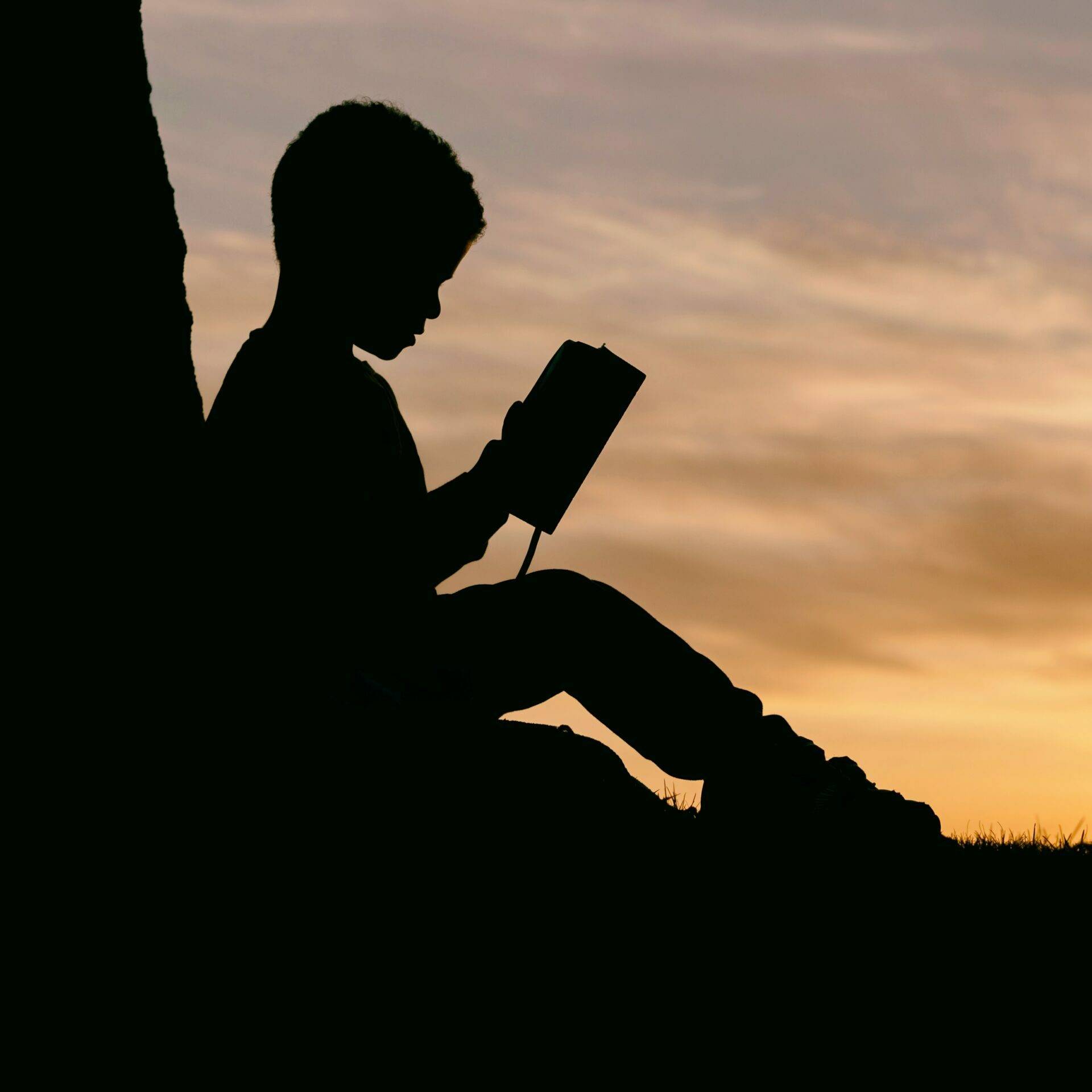

Revolutionary parenting and innovative education reshape how you raise, teach, and protect your children. This first part focuses on challenging norms in schooling and on practical parenting approaches you use today.
Challenging norms in parenting and education today
Laura and David, parents of three, felt something was wrong when their 8‑year‑old came home from school anxious, confused about values, and exhausted from screen-heavy lessons. Their story reflects a wider movement of parents who question government-run systems and search for alternative schooling and non-traditional learning paths.
Across many countries, parents see public institutions as inefficient, ideological, and distant from family values. They notice how state agencies try to set the pace of child development, decide when children read, and even suggest what morality looks like. You do not need to accept this as your only option.
Revolutionary parenting vs passive compliance
Revolutionary parenting means you refuse to outsource your child’s mind and heart to systems you do not trust. Instead of waiting for officials to define “good parenting,” you actively design the daily rhythm, the learning content, and the moral framework in your home.
Parents with this mindset build strong routines, guard their child’s attention, and evaluate every educational influence. If you want practical support to move in this direction, resources like effective parenting practices for school success offer step-by-step ideas you apply at home. The key is simple: you stay in charge, systems serve your family.
Innovative education beyond government schools
Many Christian and Catholic parents feel a deep tension with public schools. They see secular, aggressive agendas, spiritual emptiness, and a focus on testing over wisdom. For them, educational reform starts at home, not in a distant ministry building.
One option is to move to Catholic or independent schools that use a classical model. These schools often stress great books, logic, history, and serious faith formation. They align better with parents who seek progressive teaching in the original sense: forming the whole person, mind and soul, rather than chasing trends.
When Catholic schools mirror public schools
Many parochial schools lost clarity over the past decades. Some copy public school curricula, add a light layer of religion, and avoid firm teaching on faith to avoid offense. The result often looks like a public school with higher fees and thinner conviction.
Families like Laura and David learned to ask concrete questions: Does the school teach strong reading, writing, and math? Does it present the faith fully and confidently? Are teachers faithful and engaged, or distant and lukewarm? If the answer is weak, the tuition is not worth it. Parents who want to refine their questions often study guides like exam-focused parenting advice to understand what real learning looks like beyond grades.
Independent classical schools and networks that take doctrine, sacraments, and serious academics to heart offer another step for parents. They often keep class sizes smaller, expect strong reading lists, and center the school day on faith and reason rather than constant entertainment.
Alternative schooling and non-traditional learning at home
For many families, homeschooling becomes the most consistent form of alternative schooling. It is where revolutionary parenting and innovative education meet every day at the kitchen table. Parents become co-principals, teachers, and mentors who decide what truth their children receive.
In this model, children learn unfiltered theology, full Church teaching, and serious academics without dilution. You remove the pressure to be “politically correct” and replace it with clarity, mercy, and coherence. If you care about long-term outcomes, studies over recent decades show homeschooled students often outperform their peers in academics, social skills, and adult success.
Why homeschooling fits revolutionary parenting approaches
Homeschooling allows you to align parenting approaches with daily lessons. You know your child’s temperament, fears, strengths, and interests better than any external teacher. This gives you unmatched flexibility to slow down, speed up, or change methods on the spot.
You avoid the rigid bells, crowded classrooms, and fixed calendars of institutional schools. A math lesson becomes a cooking session. A science topic turns into a backyard experiment. If your son needs to run outside before reading, you simply go. Practical guides like nurturing growth in children help you structure this freedom so it supports solid child development rather than chaos.
- Flexible schedule: Shorter focused work periods instead of seven static hours.
- Personalized pace: Slow down for reading, accelerate in areas of strength.
- Integrated faith: Prayer, scripture, and virtues inside daily lessons.
- Healthy environment: Less noise, fewer screens, more silence and movement.
- Real-life learning: Cooking, repairs, gardening, and service as part of school.
When home and learning flow together, your child experiences knowledge as part of life, not as a separate stressful zone.
Progressive teaching at home: tailored child development
Progressive teaching in a healthy sense respects how each child grows. Instead of treating every 7‑year‑old the same, you start with your son or daughter’s stage of child development, not a bureaucratic chart. You adjust reading level, memory work, and workload accordingly.
Homeschool families who focus on non-traditional learning often mix textbooks with real-world projects. They use field trips, apprenticeships, and online classes sparingly, guided by clear goals. Parents who want research-based strategies for learning success often refer to resources like how parenting strategies impact academic achievement to align home methods with long-term academic growth.
Meeting unique learning needs without overload
Many schools respond to boredom with more screens, more noise, and more fast-paced activities. Children receive constant stimulation and instant rewards, yet often show less focus and higher anxiety. The content often moves so fast, and touches topics so early, that children feel overwhelmed.
At home, you reverse this pattern. You lower the volume, keep screens under control, and stretch attention span with quiet reading and hands-on tasks. You give your child time to think, struggle, and master skills. Parents support reading growth through strong daily routines, often supported by expert advice such as guidance from reading experts. When pace and noise drop, deep learning increases.
The future of education through family-led innovation
The long-term future of education will not be driven only by laws or large institutions. It will grow from thousands of homes where parents accept responsibility for the minds and souls of their children. Innovative education often starts with one family deciding, “We do not accept the default.”
You see early signs of this shift across sectors. Some leaders promote flexible schools for their employees’ children. Debates around models inspired by entrepreneurs, including interest in approaches like those linked to Elon Musk-style childcare and schooling, show how workplace and home priorities intersect. Families want learning that fits human growth, not bureaucratic convenience.
Community, health, and new parenting approaches
Educational reform that stays at policy level misses a crucial truth: your home is your child’s most important school. Health systems, childcare policies, and local initiatives reshape learning when they support parents, not replace them. Examples include community efforts for childcare access, such as projects discussed in child care initiatives in Indiana, or integrated health and education programs like children’s health and education services in California.
These efforts matter only if parents stay at the center. When you use them as tools, not as masters, they strengthen your parenting approaches and leave you free to pursue alternative schooling, homeschooling, or strong faith-based schools. Revolutionary parenting places community resources in their proper place: support, not control.
Part 2 will explore more homeschooling advantages, answer common objections, and present concrete resources so you design an education path that fits your family’s beliefs and your child’s potential.